


The first time I made a significant investment in Sacred Business Flow, I had just shut down my fractional CMO work.
Carolina and I were all in on the business we were building. The money wasn’t coming in yet. And I was about to spend $12,000 on help crafting our story and message.
On paper, it looked scary as hell. My nervous system agreed. We made the investment because we needed a clearer way to speak about the work we were building, even though I couldn’t put a date on when it would pay for itself.
I faced a smaller version of that decision earlier this year, during a summer lull. We felt we were putting real effort into the business and the results weren’t matching it. I had to admit something uncomfortable: I was again too close to what we’d built to see what needed to change.
I needed someone to hold up a mirror.
That support cost $2,000. Before saying yes, I checked that we could cover it from our existing business income even if the work brought in nothing new. It was a stretch, but it wasn’t a bet on an immediate return.
The work has since led to revenue I can trace to that decision, roughly ten times what I paid. More importantly, it helped us build a clearer vision for moving forward. I couldn’t have counted on either outcome when I invested.
I’m glad I said yes. I also know how easily that story could become bad advice.
Someone could read it and conclude that the answer is to trust your gut and make the investment. I don’t believe that. I’ve heard from too many thoughtful people who put money into coaching or business support and didn’t receive what they needed. Sometimes the offer was weak. Sometimes the fit was wrong. Sometimes the work demanded more than they could reasonably give.
Financial risk doesn’t disappear because something feels aligned.
So how do you decide when your heart wants to move and your mind is making a convincing case to wait?
I start by listening to what each is actually saying.
In my body, fear often feels like butterflies in my stomach. There’s energy there, and an awareness of the risk. When something feels like a true no, I experience more of a contraction around my heart space. A yes can feel like a leaning forward, even with the butterflies still going.
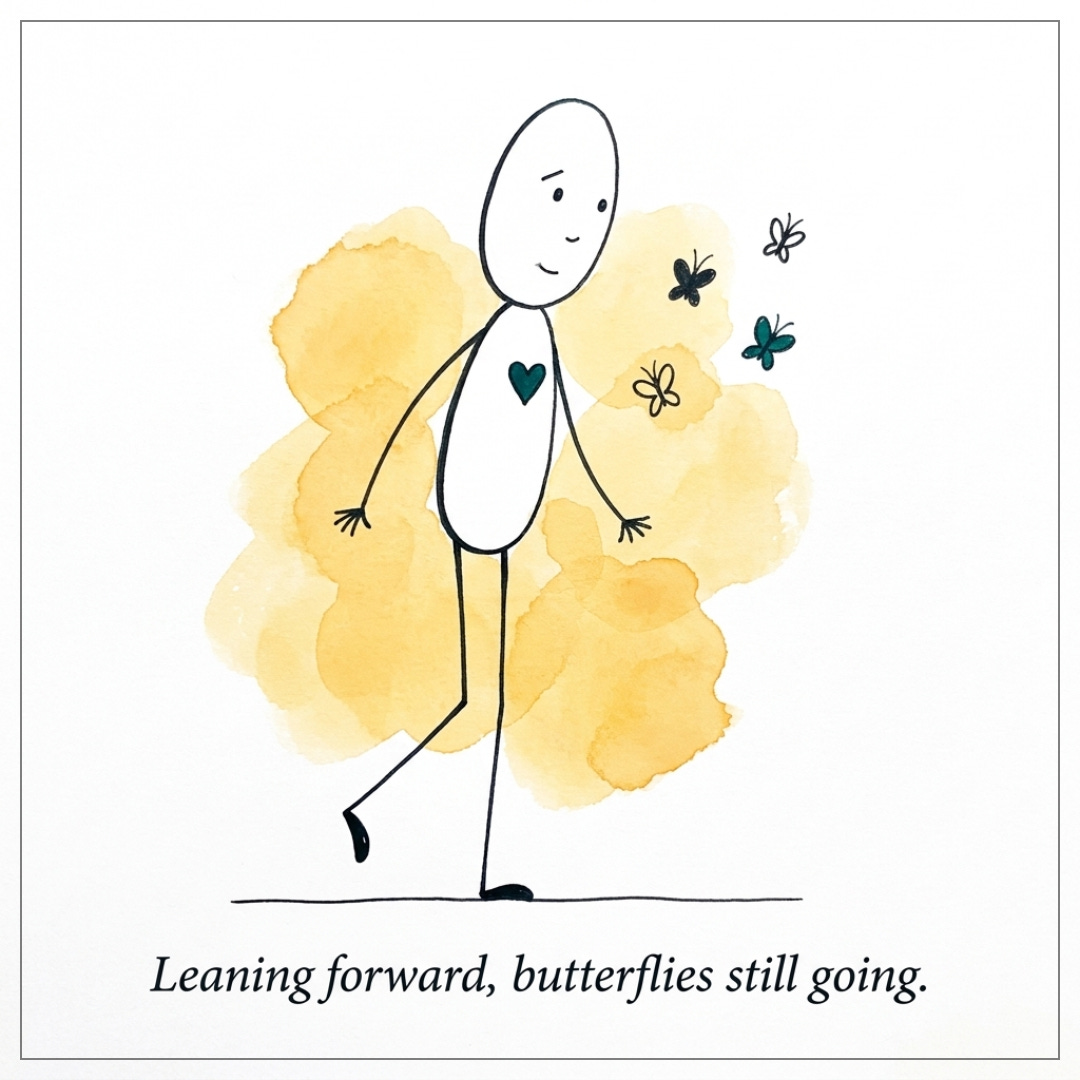
That’s how I experience it. It isn’t a universal test, and a feeling alone can’t tell me whether an offer is good or whether I can afford it.
I also look at the person and the support. Have I spent enough time with their work to know how they think? Can they speak honestly about what they’ve helped people achieve and where the limits are? Do I trust them to stay engaged when the plan meets reality?
Then I look back at myself. If I receive the support they’re offering, can I follow through on my part? Is this work I still want when it asks something difficult of me?
That question is about my own commitment. It doesn’t make the person offering support less responsible for delivering what they promised.
Finally, I ask the least romantic question of all:
What happens if the return takes longer than I hope?
With that recent $2,000 investment, I had an answer. I could cover the cost from the business as it stood. I didn’t need the new work to pay for itself right away. Without that answer, the same excitement in my body might have led me to a different decision.
The numbers help me see what I can responsibly risk. My heart helps me see whether the direction is worth pursuing. And my history with myself tells me whether I’m likely to do the work once I say yes.
I need all three.
There’s a point where more analysis stops giving me new information. I’ve looked closely at the person. I understand what the support includes and what it cannot promise. I know what happens if the return takes longer than I want. And I still feel that leaning forward.
At that point, waiting for certainty won’t make the decision safer. The evidence I want can only come from movement. Sometimes that means investing in support. Sometimes it means running the next test myself. Either way, I can’t demand proof of a result before I’m willing to take the step that could create it.
That doesn’t mean every stretch is a yes. A real financial constraint deserves to be honored. So does a true no in your heart.
But if you can carry the risk, you trust the support, and you know you’ll bring your full commitment to the work, life may be asking you to move before it shows you the result.
LFG.
And if you’re ready to move but can’t yet see where your effort belongs, start with the free Harmony Map Assessment. In about eight minutes, it will help you see the pattern creating friction in your business and where to focus next. Then you have something concrete to act on.
With Love,
Phil

