


I recently committed to four days and more than 45 hours of sound-healing training with an Andean master. It’s happening this weekend.
And I have almost no idea what I’m going to do with it.
Music was my first passion. I was a full-fledged band geek, trumpet in hand, playing in a national honor band and imagining that somehow music would become my life’s work.
My mother imagined something safer.
Her brother had spent his life as a professional musician, with all the financial ups and downs that can come with that choice. She saw a smart kid who might become a doctor or lawyer. I don’t blame her for wanting stability for me.
I tried criminal justice. Dropped out. Went back for music business. Left again when an opportunity in concert production came along.
I spent some time in that world, but never quite found my footing. The version of the music industry I encountered didn’t fit who I wanted to become.
Still, the music never really left.
Now I live in the mountains of Brazil, tinkering in the little studio I created here. I keep wondering how music, sound, and frequency might support the emotional arc of entrepreneurship and help people move through the moments when insight alone isn’t enough.
The idea is muddy.
Most of the money I’ve made came through the structural side of business: strategy, marketing, offers, growth. Sound can feel pretty woo-woo beside all that.
Will people understand it?
Will they want it?
Who am I to guide anyone through an experience I’m only beginning to understand myself?
Those questions have made it easy to keep tinkering privately instead of creating the space to find out.
So this training is my first stand.
I’m going to develop some real capability. I’ll work with other people, experience what sound can transmit, and discover what happens when I stop studying the possibility and put myself inside the work.
I’ve crossed this threshold before.
My first consulting client owned seven hearing practices in Ohio. He had seen what I was doing to bring patients into my own practice and kept asking me about it whenever we met at regional conferences.
“Could you help us do that?”
My first instinct was resistance. I had never been a consultant. I knew the approach worked for me, but I had no proof I could reproduce it for someone else.
A coach helped me see the value and told me to charge $2,500.
It felt really freaking scary.
I accepted anyway.
I trusted his experience before I had enough evidence of my own. Then I trusted myself to serve the client well, figure out what I didn’t yet know, and make things right if anything went wrong.
A lack of confidence is often a symptom.
The direction may still be blurry. The next step may require a capability you haven’t built yet. And sometimes you’re demanding certainty from yourself before you’ve had enough contact with the real world.
The work calling you rarely arrives as a fully formed offer with proof attached.
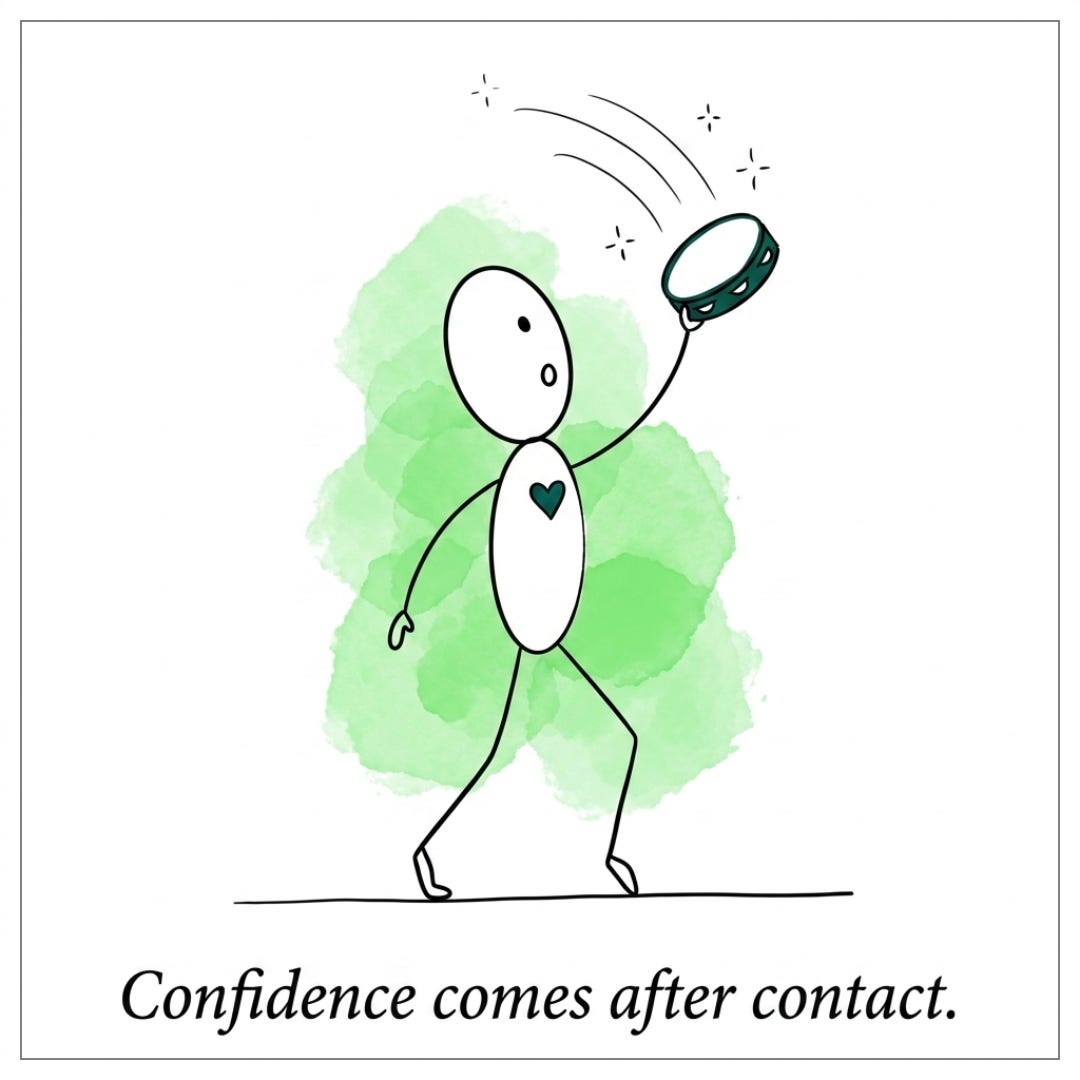
It takes shape when you give it something concrete, bring it into conversation, and pay attention. Do people understand it? Where do they lean in? What feels valuable enough that they would pay for help?
Then you refine.
The right support helps because we’re often too close to our own work to see it clearly. You need people who will take the idea seriously, help you find its clearest and most valuable expression, and tell you the truth when part of it still needs work.
Every pass through that process gives you more capability and more evidence.
That is how confidence begins to replace speculation.
Your next step may be much smaller than my 45-hour training. It may simply be seeing what is actually creating the friction.
That is what the Harmony Map Assessment is designed to reveal.
In about eight minutes, it looks across clarity, confidence, and purpose to help you see where your deeper work is getting tangled and where your attention belongs next.
If something meaningful keeps calling you but still hasn’t taken clear form, start here:
Who we’re celebrating: Dr. Tara Cousineau 💛
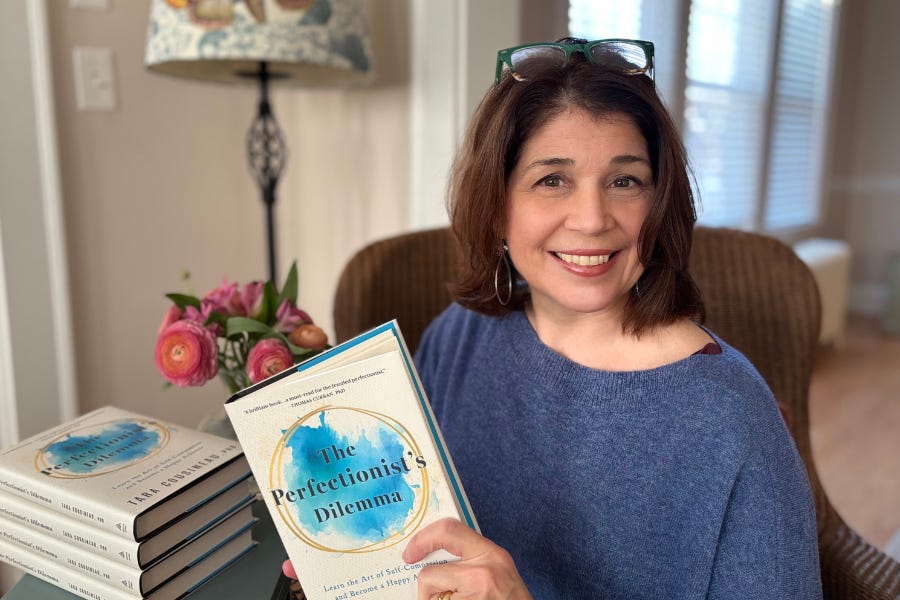
This week, we’re celebrating Tara Cousineau and the launch of her new private coaching offering.
Tara works with people who already know how to succeed.
They’ve built real careers and earned the trust of others. Yet behind many of their accomplishments is an exhausting private bargain: pressure keeps them productive, self-criticism protects the quality of their work, and nothing is allowed to feel finished for very long.
They don’t want to lose their ambition.
They want to make decisions without reopening them, finish excellent work without endlessly perfecting it, and finally experience the satisfaction their success was supposed to bring.
That is the change Tara helps people make.
Her private coaching is designed to help accomplished people keep their edge while pursuing excellence from self-trust instead of fear.
Tara has opened a small number of private coaching places this fall.
If you’re tired of needing pressure and self-criticism to perform at your best, she invites you to a private conversation about where that pattern is costing you and what could change.

The Weekly Highlights
If you keep explaining the tool while leaving yourself out of the transformation, read this. Carolina shares how mistaking self-erasure for humility put a ceiling on her business, and what a client could see in her that she still refused to claim.

If you know your work helps people but still struggle to explain what you actually do, read this. I share what happened inside the first Your First Yes Roadmapping Call, and the three questions that helped years of meaningful work begin to take one clear shape.

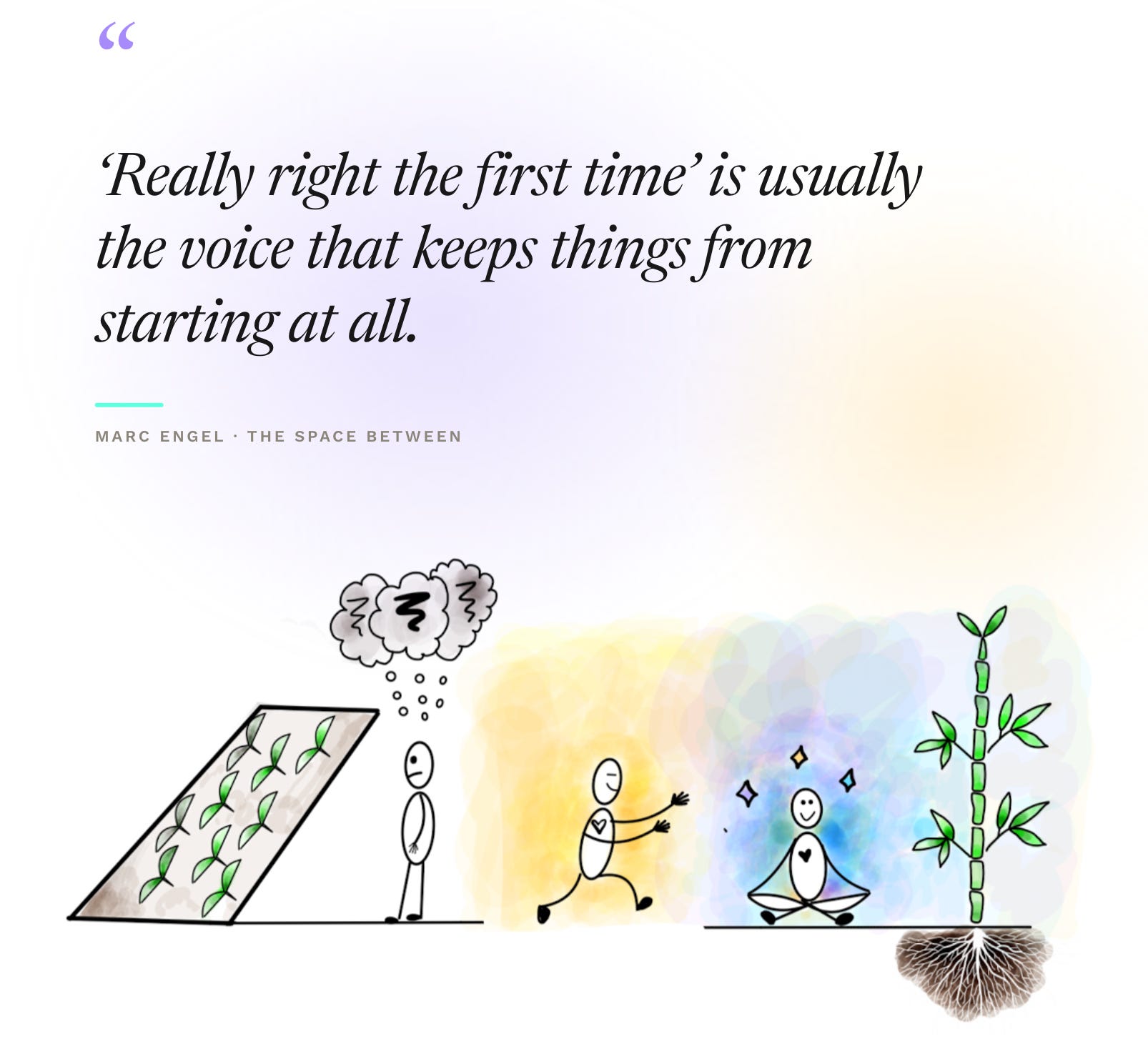
Memorable Quote by Marc Engel

Love this, Phil! How exciting! 🙌 Can't wait to hear how it went for you and if anything comes out of it for clients. Loved the personal details too. 😊🩷
This is the evolutionary edge, for sure. I love how you're following your intuition and your passion, Phil - it's very inspiring! Thanks for sharing your journey with us.